So, you're thinking about adding a garage, huh? Good idea. Whether it's for parking your rig out of the snow, finally getting that workshop space, or just stashing all the gear that's currently cluttering up your house, a garage is a solid investment. But before you grab a shovel or start sketching plans, there's a lot to consider. I've seen plenty of garage projects around Kalispell; some go smooth as silk, others hit every snag imaginable. Let's talk about what you really need to know.
Before You Even Think About Building
First things first: what do you actually need this garage for? Sounds obvious, I know, but people often jump straight to size without really thinking about its purpose. Is it just for one car, or two? Do you need space for a workbench, a riding mower, or a bunch of kayaks? Will you be heating it? These questions dictate size, foundation type, and electrical needs.
Next, you gotta check the rules. Kalispell, like any town, has zoning ordinances and building codes. You can't just plop a structure anywhere you want. There are setbacks from property lines, height restrictions, and sometimes even rules about materials that need to match your existing house. Seriously, don't skip this step. A quick call or visit to the city's planning department will save you a world of headaches down the road. They'll tell you what permits you need, too, and trust me, you'll need permits.
Then there's the site itself. Where on your property will it go? Think about access, drainage, and utility lines. You don't want to build over a septic field or a main water line, right? Here in Kalispell, we get some serious snow, so consider how you'll plow around it and where the snow will pile up. Also, the ground around here can be pretty rocky in some spots, especially if you're up closer to the mountains like in the Foothills area. That can impact excavation costs and foundation choices.
During the Build: DIY or Pro?
Okay, you've got your plans, your permits, and a clear idea of what you want. Now for the big question: how much of this can you do yourself? A lot, if you're handy and have the time. A little, if you're not.
- Excavation and Foundation: Unless you've got heavy equipment experience, this is usually a job for the pros. Getting the ground level, digging footings, and pouring a concrete slab correctly is crucial. A bad foundation means problems for everything built on top of it.
- Framing: If you're comfortable with a saw and a nail gun, framing a simple garage can be a DIY project. It's like building a big shed, just with more walls and a bigger roof. You'll definitely want a buddy or two for lifting those long walls.
- Roofing: Again, if you aren't afraid of heights and know how to shingle, you can tackle this. But it's physically demanding, and safety is a huge concern.
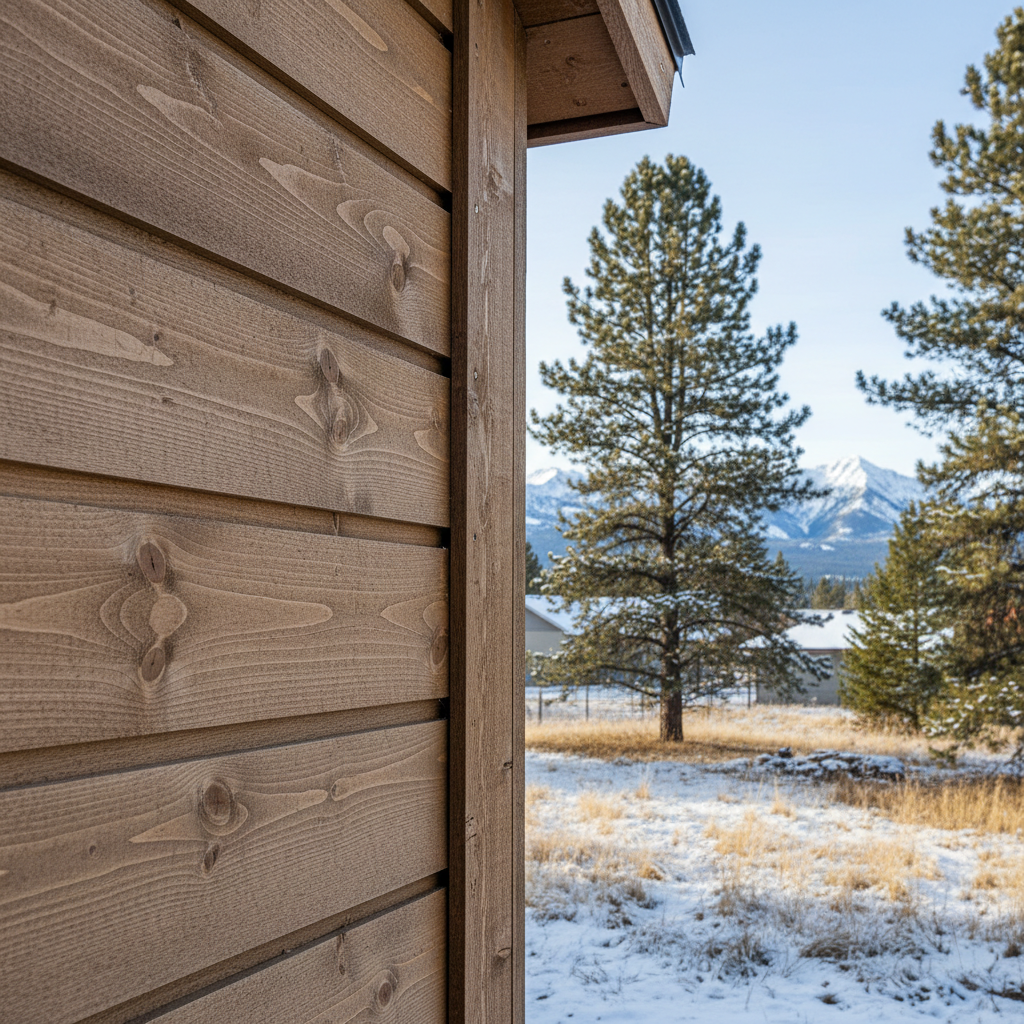
- Siding and Exterior Trim: This is very DIY-friendly. Whether it's vinyl, wood, or fiber cement, it's mostly repetitive work that takes patience more than specialized skill.
- Electrical: Unless you're a licensed electrician, hire one. Seriously. Wiring a garage isn't just about getting lights to turn on; it's about safety and meeting code. You don't want to burn your new garage down because of faulty wiring.
- Garage Door Installation: While some people install these themselves, I'd recommend a pro. Those springs are under immense tension, and an improperly installed door can be dangerous.
- Finishing Touches: Insulation, drywall, painting, shelving – these are all great DIY projects that can save you a lot of money.
For bigger projects, or if you just don't have the time or expertise, bringing in a general contractor is smart. They'll manage the whole thing, from coordinating subcontractors to making sure everything's up to code. If you're looking for a custom-built garage that's done right, we at Kalispell Custom Sheds can certainly help you out with the structure itself, or point you toward good concrete and electrical folks we trust.
After It's Built: Maintenance and Enjoyment
So, the dust has settled, and your new garage is standing proud. Don't just forget about it! A little maintenance goes a long way to protecting your investment.
- Keep it Clean: Sweep out dirt and debris regularly. If you've got a concrete floor, consider sealing it to protect against oil stains and moisture.
- Check the Roof: After big storms or heavy snow, take a look for any missing shingles or damage. Clear out gutters so water drains properly.
- Inspect the Door: Lubricate moving parts on your garage door annually. Check the springs and cables for wear. If anything looks off, call a garage door specialist.
- Seal and Paint: If your garage is wood-sided, keep up with painting or staining to protect it from our Montana weather. Check for cracks or gaps around windows and doors and seal them up to keep out drafts and pests.
A well-built and well-maintained garage isn't just a place to park; it's an extension of your home, adding value and functionality. Take your time planning, know your limits on the build, and then enjoy that extra space for years to come.